
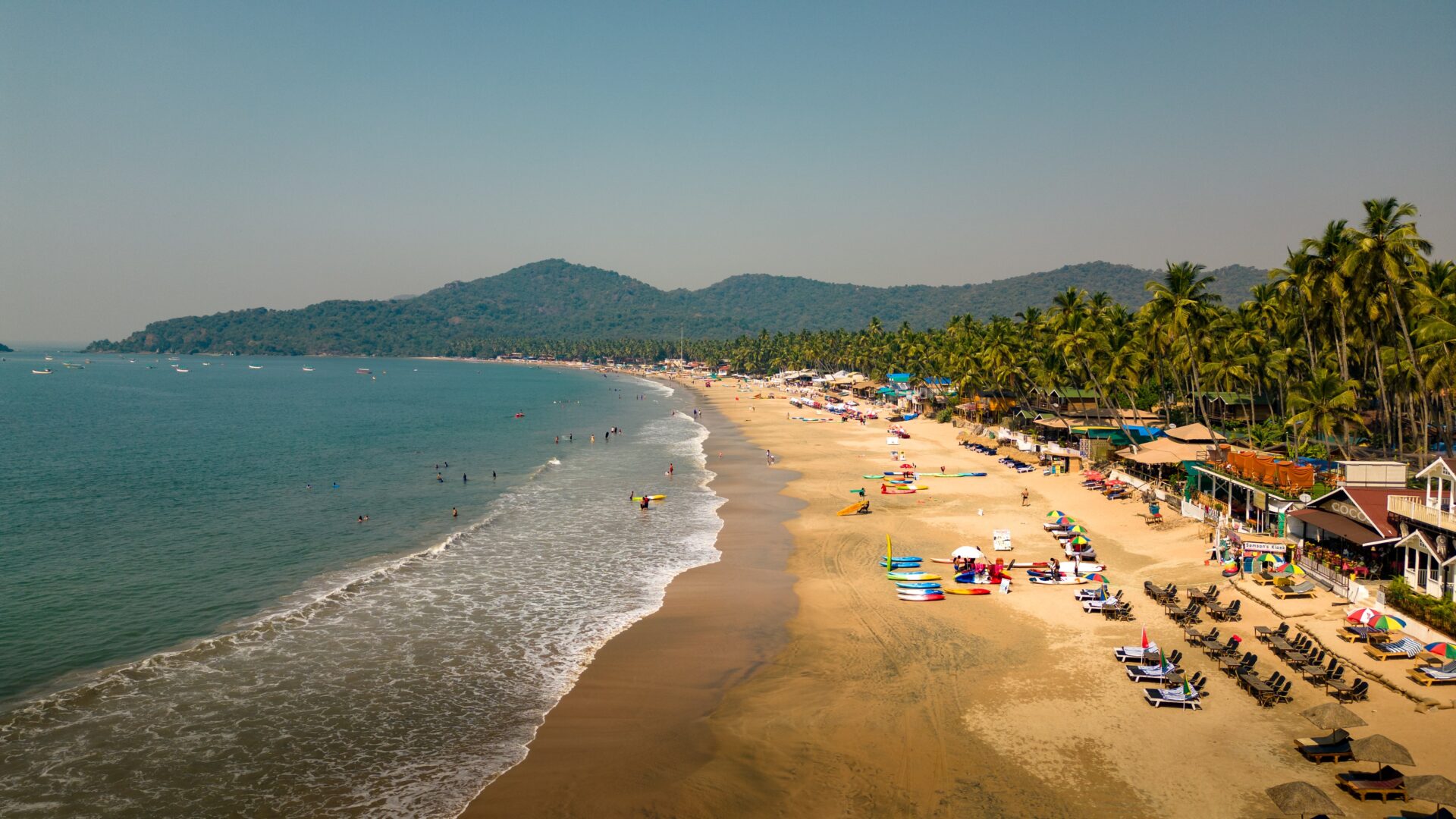
Goa is a state in western India known for its beaches, Portuguese colonial influence, and rich culture. It’s India’s smallest state, with a population of around 1.8 million and an area of 3,702 square kilometers. Goa is bordered by Maharashtra to the north, Karnataka to the east and south, and the Arabian Sea to the west. The capital is Panaji, and the official languages are Konkani and Marathi.
Here’s a more detailed look:
Geographic Features:
- Goa is located on the Konkan coast, a narrow coastal strip along the Arabian Sea.
- It has a coastline of 105 km (65 mi) and includes the island of Goa.
- The interior is characterized by low, forested plateaus and the Western Ghats mountains.
- Major rivers include the Mandavi and Zuari.
History:
- Goa was a Portuguese colony for about 450 years, before becoming part of India in 1961 and achieving statehood in 1987.
- The Portuguese ruled Goa after initially landing as merchants in the 16th century.
Culture:
- Goan culture is a blend of Hindu and Catholic influences, shaped by its history and geography.
- The state’s official language is Konkani.
- Goa is famous for its beaches, ancient temples and churches, and the Goan carnival.
Economy:
- Goa’s economy is driven by tourism, fishing, agriculture (including rice and cashew), and pharmaceuticals.
- Mining is also a significant industry.
Other Notable Features:
- Goa is known for its vibrant nightlife and a relaxed, laid-back atmosphere.
- The state is popular among tourists for its beaches, cultural attractions, and Portuguese colonial architecture.
- Goa has a tropical climate with monsoon rains from June to September.
- It has a high literacy rate, with a literacy rate of 88.70%.
- Goa is home to Goa University and other educational institutions.