
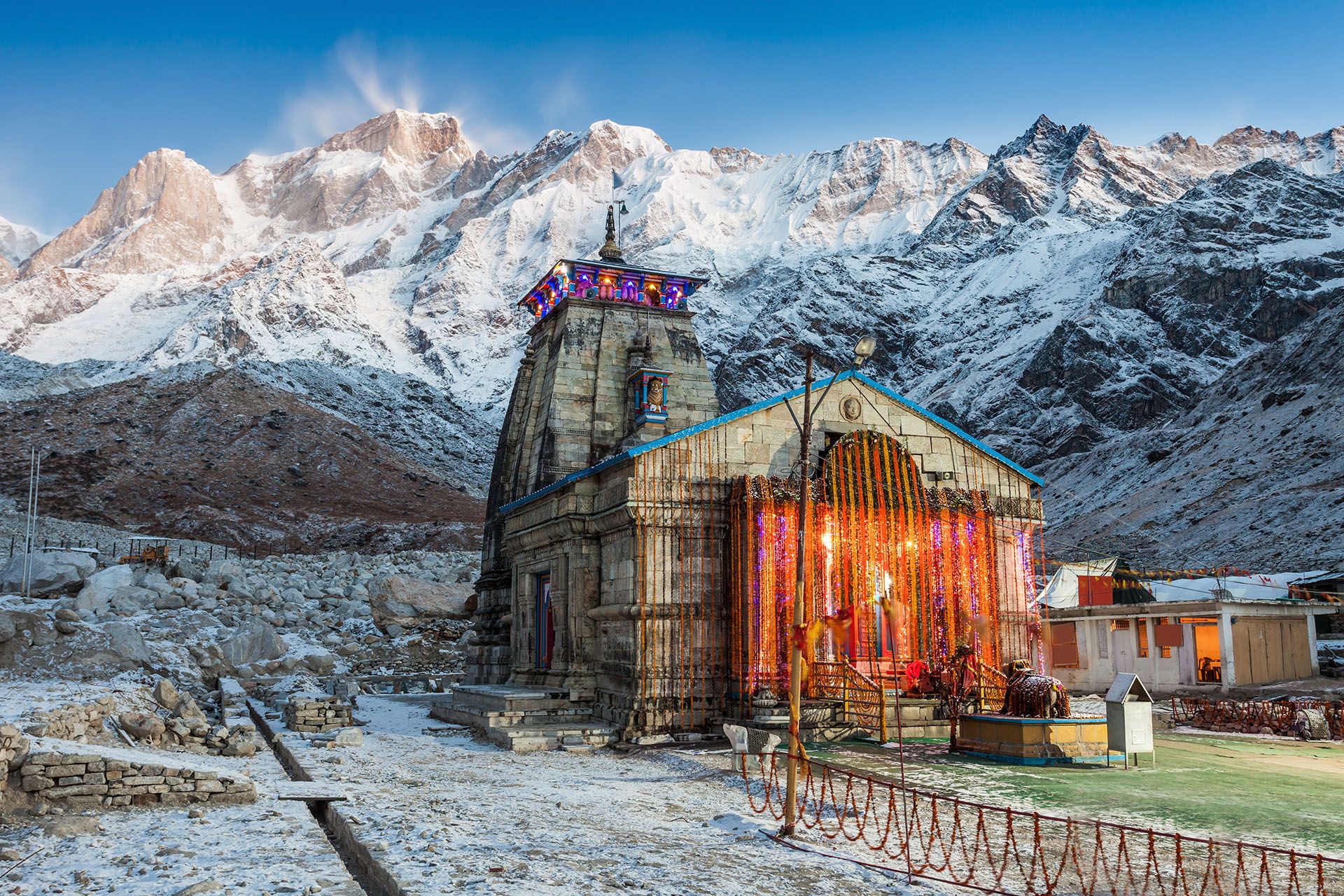
Uttarakhand, known as “Devbhoomi” or “Abode of Gods,” is a state in northern India, nestled in the Himalayas. It was formed on November 9, 2000, as the 27th state of India. Uttarakhand is famous for its religious significance, numerous Hindu temples, and pilgrimage sites, attracting a large number of religious tourists. The state is also known for its natural beauty and diverse ecosystems, including the Himalayas, dense forests, and alpine meadows.
Key Features of Uttarakhand:
- Geography:Uttarakhand is geographically divided into Garhwal and Kumaon regions within the Himalayas. It is known for its high-altitude peaks and diverse ecosystems, including forests, meadows, and river valleys.
- Religion and Pilgrimage:Uttarakhand is a major pilgrimage center for Hindus, with numerous temples and holy sites like Kedarnath, Badrinath, Rishikesh, and Haridwar.
- Tourism:The state attracts both domestic and foreign tourists seeking adventure, religious experiences, and natural beauty.
- Culture:Uttarakhand has a rich cultural heritage, with distinct traditions, languages, and festivals in both Garhwal and Kumaon regions.
- Economy:Tourism and information technology are significant sectors, contributing significantly to the state’s income.
- History:The region has a long history, with evidence of human settlements since prehistoric times. It was once part of the Uttarakuru Kingdom and has been ruled by various dynasties over time.
- Statehood:The demand for statehood grew in the 1990s, leading to the creation of Uttarakhand (then Uttaranchal) from Uttar Pradesh in 2000.
- Name Change:The name was changed from Uttaranchal to Uttarakhand in 2007.
- Capital:Uttarakhand has two capitals: Dehradun and Gairsain.